
round backlit mirror
Welding Table Manufacturer En Vigtig Komponent i Metalbearbejdning I den moderne metalbearbejdningsindustri er svejsning en uundgåelig proces, der kræver præcision og stabilitet. En af de mest essentielle komponenter i denne proces er svejsebordet. Som en svejsebordproducent er det vigtigt at forstå betydningen af et kvalitetsbord, der kan tilpasses forskellige behov og anvendelser. Et svejsebord fungerer som en robust platform, hvor metalliske komponenter kan samles og svejses sammen. Det skal være i stand til at modstå høje temperaturer og mekanisk belastning, samtidig med at det giver mulighed for præcise justeringer og positionering af materialer. I denne artikel vil vi udforske de forskellige aspekter af svejseborde og deres indflydelse på svejseprocessen. Kvalitet og Materialer Når man vælger et svejsebord, er det vigtigt at overveje det materiale, som bordet er fremstillet af. De mest almindelige materialer inkluderer stål og aluminium, hvor hver type har sine fordele og ulemper. Stål er generelt mere robust og velegnet til tunge applikationer, mens aluminium er lettere og lettere at transportere. En kvalitetsproducent vil anvende højstyrkestål og vedholdende behandlinger for at sikre, at bordet er modstandsdygtigt over for deformation og slid. Design og Funktionalitet Et godt designet svejsebord skal ikke kun være funktionelt, men også ergonomisk. Det skal kunne tilpasses forskellige højdeindstillinger for at sikre, at svejseren har en behagelig arbejdsstilling under svejseprocessen. Mange moderne svejseborde er også udstyret med justerbare elementer som fastgørelsesanordninger og støttearme, hvilket giver en højere grad af fleksibilitet . Dette gør det muligt for svejsere at arbejde med forskellige typer og størrelser af komponenter uden at gå på kompromis med kvaliteten. welding table manufacturer Tilpasning og Specialproduktion En af de store fordele ved at arbejde med en specialiseret svejsebordproducent er muligheden for tilpasning. Hver virksomhed har sine egne specifikke behov afhængigt af de projekter, de arbejder på. En dygtig producent vil kunne tilbyde skræddersyede løsninger, der opfylder disse krav, hvad enten det drejer sig om dimensioner, materialer eller ekstraudstyr. Dette kan inkludere alt fra integrerede vinsjer til magnetiske fastgørelsessystemer, hvilket kan øge effektiviteten og sikkerheden under svejsning. Teknologi og Innovation I takt med den teknologiske udvikling er svejseborde også blevet mere avancerede. Nogle producenter integrerer teknologi som CAD-software til at designe og optimere svejsebordets layout for at maksimere produktiviteten. Automatisering har også nået svejseprocessen, og mange moderne borde kan arbejde sammen med robotter, hvilket øger hastigheden og præcisionen af svejsningerne. Dette er især vigtigt i industrielle miljøer, hvor kravene til kvalitet og effektivitet konstant stiger. Afslutning Som svejsebordproducent er det vores ansvar at sikre, at vores produkter opfylder de højeste standarder for kvalitet og funktionalitet. Investeringen i et kvalitets svejsebord betaler sig på lang sigt, da det kan reducere fejl, øge effektiviteten og forbedre arbejdsmiljøet for svejsere. Uanset om du er en lille workshop eller en stor produktionsvirksomhed, er det vigtigt at vælge det rigtige svejsebord, der passer til dine specifikke behov. Ved at fokusere på kvalitet, tilpasning og innovation kan vi fortsætte med at levere svejseborde, der understøtter vores kunders succes i metalbearbejdningsindustrien. Vi ser frem til at samarbejde med virksomheder, der er dedikerede til kvalitet og stræben efter perfektion i deres svejseprocesser.
about
round backlit mirror
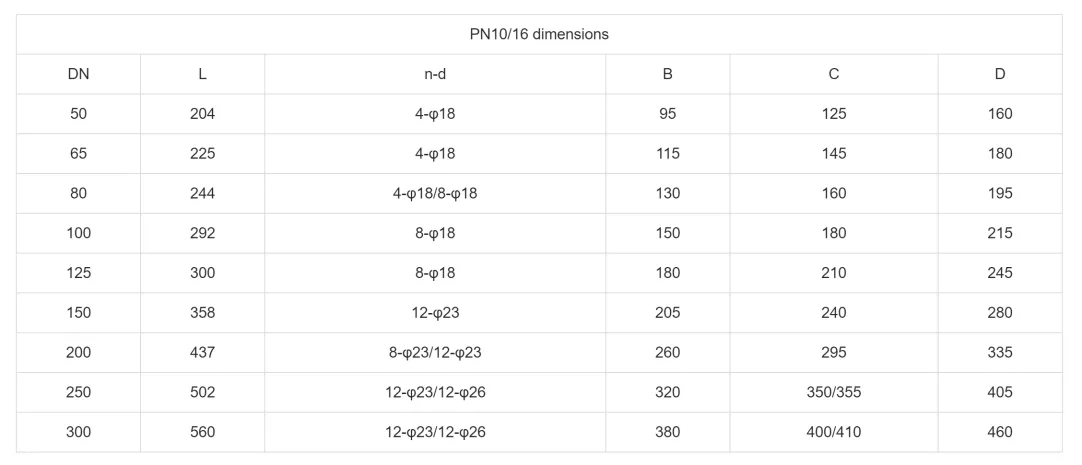
Understanding DN80 Gate Valves A Comprehensive Overview Gate valves are essential components in a wide range of piping systems, playing a crucial role in the regulation of fluid flow. Among the various specifications used in valve design, the term DN (Diameter Nominal) is crucial, indicating the nominal pipe size. In this article, we will delve into the specifics of the DN80 gate valve, exploring its features, applications, and considerations for selection and maintenance. What is a DN80 Gate Valve? Defined by the nominal pipe diameter of 80 millimeters (mm), a DN80 gate valve is specifically designed to control the opening and closing of fluid flow in a pipeline. The primary function of a gate valve is to provide full flow with minimal pressure drop, achieved through a wedge-shaped gate that can be raised or lowered within the valve body. This design makes it particularly suitable for applications where the valve is either fully open or fully closed, rather than used for throttling purposes. Key Features 1. Construction Material DN80 gate valves are typically constructed from a variety of materials including cast iron, ductile iron, stainless steel, and carbon steel. The choice of material depends on the application, as factors like temperature, pressure, and fluid composition play a significant role in material selection. 2. Sealing Mechanism Most DN80 gate valves employ a resilient seat design which ensures a tight seal. This reduces the chance of leakage, which is essential in applications where fluid loss can lead to significant operational inefficiencies or environmental hazards. 3. Operating Type Gate valves can be operated manually with handwheels, or automatically using actuators. The choice of operation often hinges on the specific needs of the system; for instance, larger installations may favor automation for efficiency and ease of control. Applications DN80 gate valves are widely used across numerous industries due to their versatility. Some common applications include gate valve dn80 - Water Treatment Plants Gate valves are integral to the operation of water distribution systems, allowing for the control of water flow and maintenance procedures. - Oil and Gas In oil pipelines, DN80 gate valves regulate the flow of crude oil and natural gas, ensuring safe and efficient transportation. - Chemical Processing The chemical industry often requires DN80 gate valves for handling various fluids, facilitating flow regulation while maintaining safety and integrity. Selection Considerations When selecting a DN80 gate valve, several critical factors should be taken into account 1. Pressure and Temperature Ratings The valve must be able to withstand the specific pressure and temperature conditions of the system. It is essential to check the valve's rating to ensure it is suited for the intended application. 2. Fluid Type Understanding the nature of the fluid flowing through the valve is crucial. For example, corrosive liquids will require a gate valve made from compatible materials to ensure longevity and reliability. 3. Installation Space The physical dimensions and orientation of the valve must align with the installation space available in the pipeline system, ensuring proper integration without requiring extensive modifications. 4. Maintenance Requirements Some gate valves may require more frequent maintenance than others, especially in high-pressure applications. Selecting a valve with lower maintenance needs can lead to cost savings and enhanced operational efficiency. Conclusion In summary, the DN80 gate valve is a vital component in various industrial applications, characterized by its ability to provide excellent flow control with minimal resistance. Understanding the features and benefits of DN80 gate valves, along with careful consideration of material, fluid type, and operating conditions, can lead to more effective systems that are both reliable and efficient. Whether in water treatment, oil and gas, or chemical processing, the right gate valve choice can significantly impact operational success.
-

High quality industrial productsagement

High quality industrial products
View Details -

Meet the diverse needs of customers

Meet the diverse needs of customers
View Details -

Strict quality control

Strict quality control
View Details -

Top raw materials

Top raw materials
View Details -

Trusted supplier

Trusted supplier
View Details
Our application


news and information
water valves on or off
Understanding Water Valves On or Off Water valves play a crucial role in the distribution and regula

Versatile 5 8% Welding Table Clamps for Precision Metalworking and Fabrication
The Importance of 5% and 208% Welding Table Clamps in Modern Fabrication In the world of metal fabri
Välineet tarkkuusmittaamiseen syvyysmittari 18-35 mm halkaisijalle
Dial bore gauge on yksi tärkeimmistä työkaluista tarkkuusmittauksessa teollisuudessa, erityisesti ku
 English